AI/ML

Artificial Intelligence & Machine Learning

Research Focus

Development of machine learning and deep learning models for problems in various fields of sciences (particle physics, astronomy, biology etc) and application development based on Artificial Intelligence.

Objectives

The Artificial Intelligence and Cybernetics (AGenCy) lab at the Independent University Bangladesh (IUB) was established in 2010, previously known as the Computer Vision and Cybernetics Research Lab. The lab is dedicated to education and research in the theory and application of Artificial Intelligence and Cybernetics. It focuses on developing computational models for data representation, visualization, and analysis in various fields of study, including but not limited to Computer Vision, Natural Language Processing, Environmental and Geospatial data analysis, Bioinformatics, Particle physics and Astrophysics, Rehabilitation and Sports technology, and IoT and Robotics.

The lab’s main focus is on developing and utilizing models and tools from probabilistic machine learning, deep learning, signal processing, and statistical inference. Given the multidisciplinary nature of the problems they address, the lab consists of faculty, graduate and undergraduate students, as well as collaborators from multiple disciplines, including computer science and engineering, electrical engineering, physics, mathematics, economics, and environmental science departments from IUB and other renowned universities both domestically and internationally.

Link to the previous website.

People

Director

Prof. Amin Ahsan Ali, PhD
Amin Ahsan Ali, PhD

Prof. Amin Ahsan Ali, PhD

  • Director, AI/ML Wing
  • Supervisor, ComBio Wing
  • Professor

    Department of Computer Science and Engineering

    Independent University, Bangladesh (IUB)

Published at

ACL, CHI, UbiComp, ECCV, IJCAI, ECAI, WACV, IPSN, PAKDD, LREC, IJCNN, ICPR, ICIP, BEA, BLP, ICMLA, Scientific Reports, Scientific Data, Pattern Recognition, Information Sciences, Ad Hoc Networks, Drug and Alcohol Dependence, PLOS ONE

Prof. M Ashraful Amin, PhD
M Ashraful Amin, PhD

Prof. M Ashraful Amin, PhD

  • Founder Director, CCDS
  • Director, AI/ML, HCI & DS Wings

Published at

ACL, CHI, UbiComp, ECAI, WACV, PAKDD, IJCNN, ICPR, ICIP, HCII, CLEF, BLP, Scientific Reports, Pattern Recognition, JMIR, IEEE Access, Smart Agricultural Technology, Frontiers in Computational Neuroscience, Diabetes Research and Clinical Practice, PLOS ONE

Collaborator

A K M Azad, PhD
A K M Azad, PhD

A K M Azad, PhD

  • Collaborator, AI/ML Wing
  • Assistant Professor

    Imam Muhammad ibn Saud Islamic University

Aman Chadha
Aman Chadha

Aman Chadha

  • Collaborator, AI/ML Wing
  • Generative AI Leadership

    Amazon Web Services

Published at

ECCV

Hasnain Heickal
Hasnain Heickal

Hasnain Heickal

  • Collaborator, AI/ML Wing
  • Ph.D Candidate

    University of Massachusetts Amherst, USA

Published at

CHI

Iftekhar Anam, PhD
Iftekhar Anam, PhD

Iftekhar Anam, PhD

  • Collaborator, AI/ML Wing
  • Assistant Professor

    University of Wisconsin–Green Bay, USA

Ishtiaque Hussain, PhD

Ishtiaque Hussain, PhD

  • Collaborator, AI/ML Wing
  • Assistant Professor

    Department of Computer Science

    Penn State Abington, USA

Prof. M Shoyaib, PhD

Prof. M Shoyaib, PhD

  • Collaborator, AI/ML Wing
  • Professor

    Institute of Information Technology

    University of Dhaka, Bangladesh

Published at

Pattern Recognition

MD Mofijul Islam
Md Mofijul Islam

MD Mofijul Islam

  • Collaborator, AI/ML Wing
  • Applied Scientist II

    GenAI Innovation Center

    Amazon Web Services

Published at

ECCV

Muntasir Wahed
https://mmiakashs.github.io/

Muntasir Wahed

  • Collaborator, AI/ML Wing
  • Ph.D Candidate

    University of Illinois Urbana-Champaign, USA

Riashat Islam, PhD
Riashat Islam, Ph.D

Riashat Islam, PhD

  • Collaborator, AI/ML Wing
  • Senior Research Scientist

    Microsoft Research

  • PhD

    McGill University, Canada

Ruhul Amin, PhD
Ruhul Amin, PhD

Ruhul Amin, PhD

  • Collaborator, AI/ML Wing
  • Assistant Professor

    Department of Computer and Information Science

    Fordham University

Saiful Islam, PhD
Saiful Islam, PhD

Saiful Islam, PhD

  • Collaborator, AI/ML Wing
  • Senior Lecturer

    School of Information and Physical Sciences

    University of Newcastle, Australia

Dr. Sajib Mistry
Dr Sajib Mistry

Dr. Sajib Mistry

  • Collaborator, AI/ML Wing
  • Ph.D Candidate

    Curtin University, Australia

Published at

IJCNN

Syeda Sakira Hassan, PhD

Syeda Sakira Hassan, PhD

  • Collaborator, AI/ML Wing
  • Postdoctoral Researcher

    Department of Electrical Engineering and Automation

    Aalto University

Projects (14)

View all 14 →
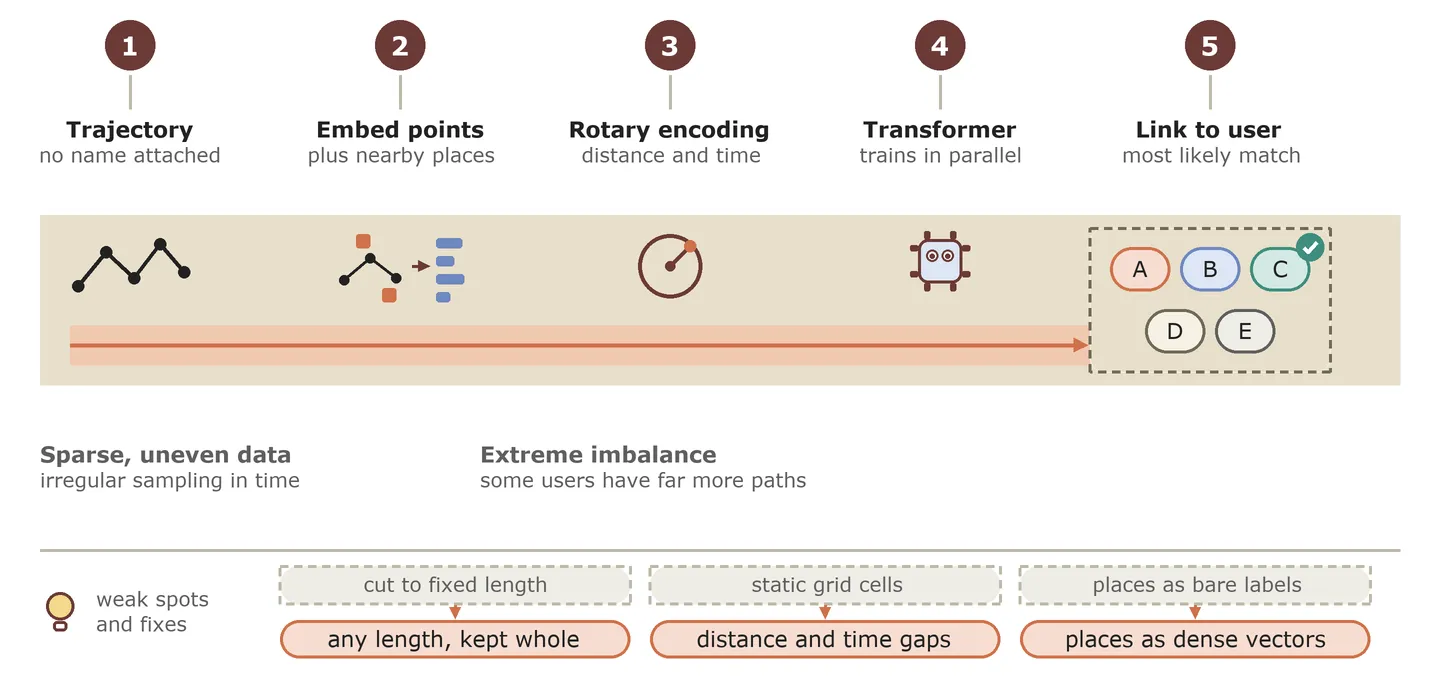
TRoPE-TUL: Trajectory-User Linking via Spatio-Temporal Rotary Position Embedding
AI/ML

TRoPE-TUL: Trajectory-User Linking via Spatio-Temporal Rotary Position Embedding

Trajectory-user linking identifies the likely user behind an anonymous mobility trace, but existing methods often lose fine-grained spatial, temporal, and semantic information or scale poorly.…

View project
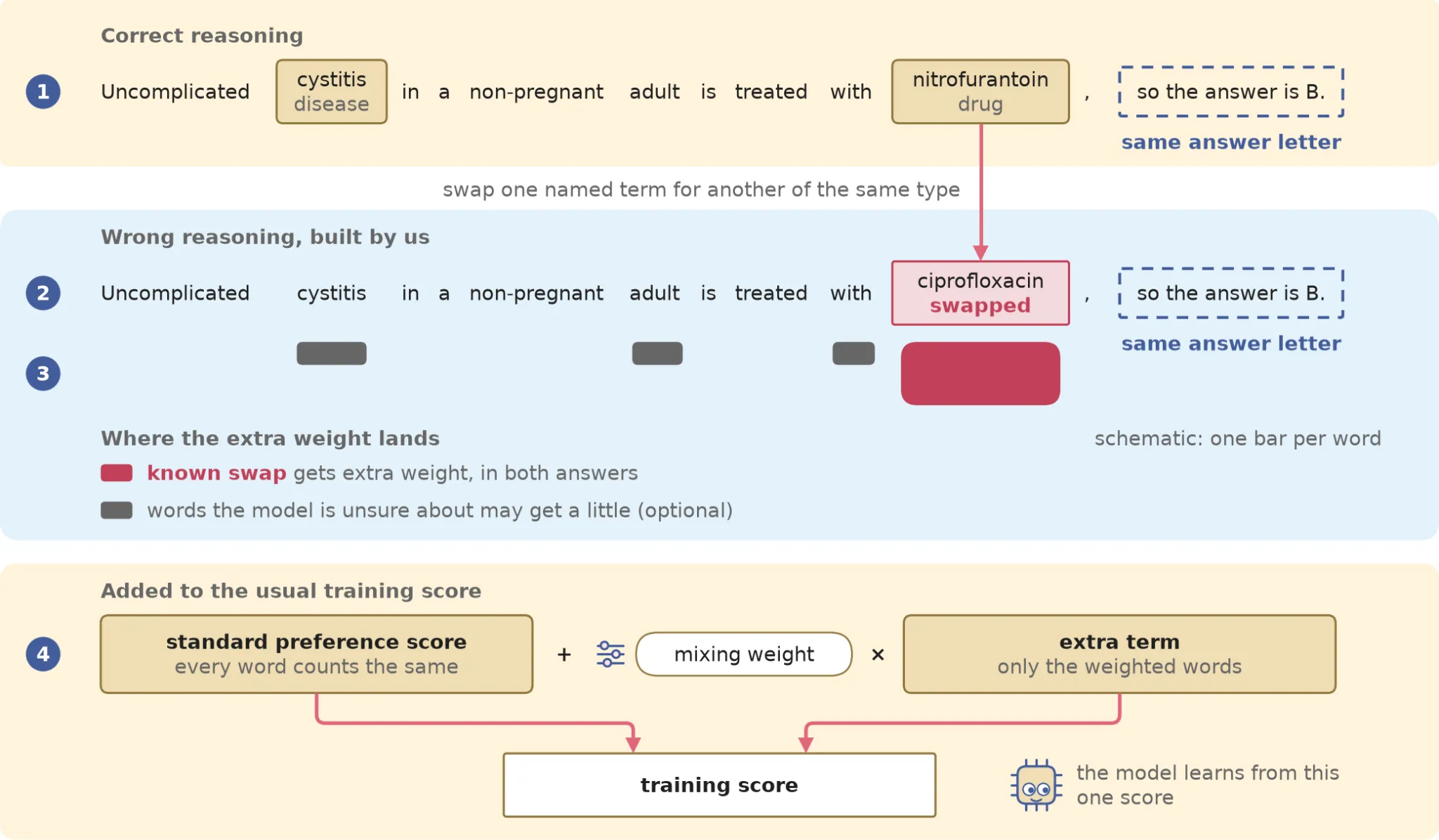
Where the Preference Signal Lives: Constructed Negatives, Token Weighting, and Why Confidence Misses the Decisive Tokens
AI/ML

Where the Preference Signal Lives: Constructed Negatives, Token Weighting, and Why Confidence Misses the Decisive Tokens

This project studies how to make the reasoning produced by medical LLMs more factually reliable, not just their final answers. We construct controlled incorrect rationales with known clinically…

View project
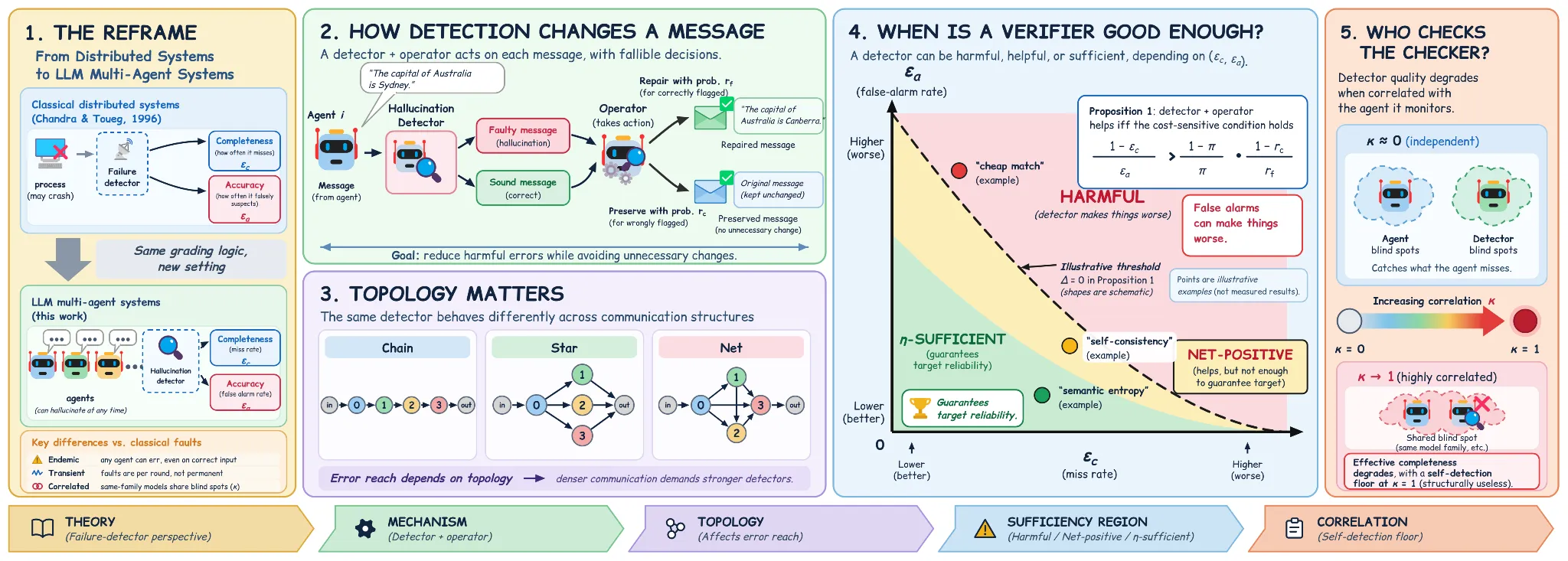
How Good Must a Detector Be? Graded Semantic-Error Detection in Multi-Agent LLM Systems
AI/ML

How Good Must a Detector Be? Graded Semantic-Error Detection in Multi-Agent LLM Systems

This project studies when error detection and intervention can reliably improve multi-agent LLM systems, where mistakes from one agent may propagate through later interactions and affect the team’s…

View project
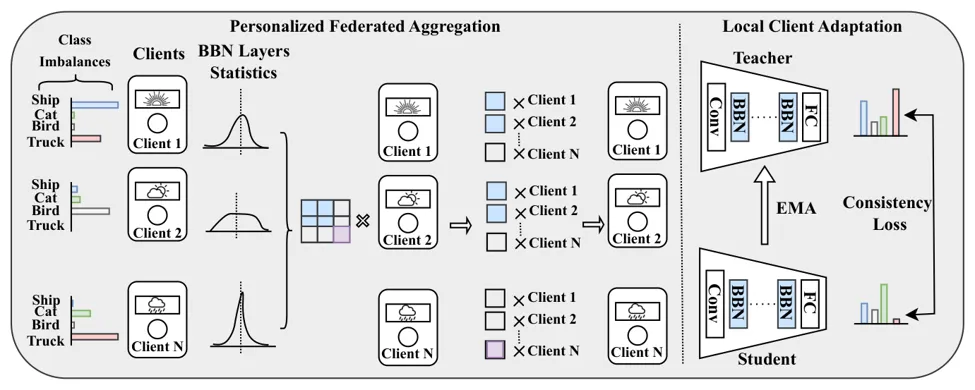
pFedBBN: A Personalized Federated Test-Time Adaptation with Balanced Batch Normalization for Class-Imbalanced Data
AI/ML

pFedBBN: A Personalized Federated Test-Time Adaptation with Balanced Batch Normalization for Class-Imbalanced Data

Personalized Federated Test-Time Adaptation studies how decentralized models can adapt to changing domains while also remaining robust to severe class imbalance across clients. Existing federated…

View project
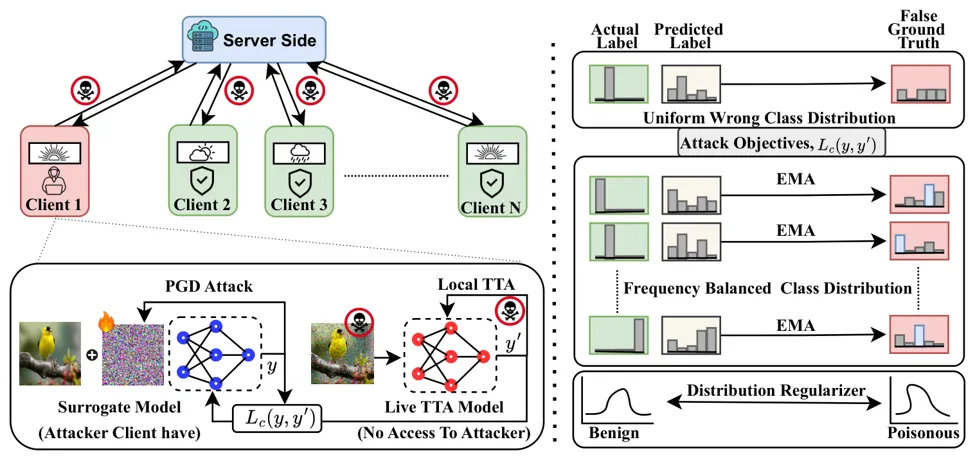
FedPoisonTTP: A Threat Model and Poisoning Attack for Federated Test-Time Personalization
AI/ML

FedPoisonTTP: A Threat Model and Poisoning Attack for Federated Test-Time Personalization

Federated Test-Time Adaptation (FTTA) studies how decentralized models can adapt to client-specific distribution shifts at test time using unlabeled local data, without sharing raw data. This project…

View project
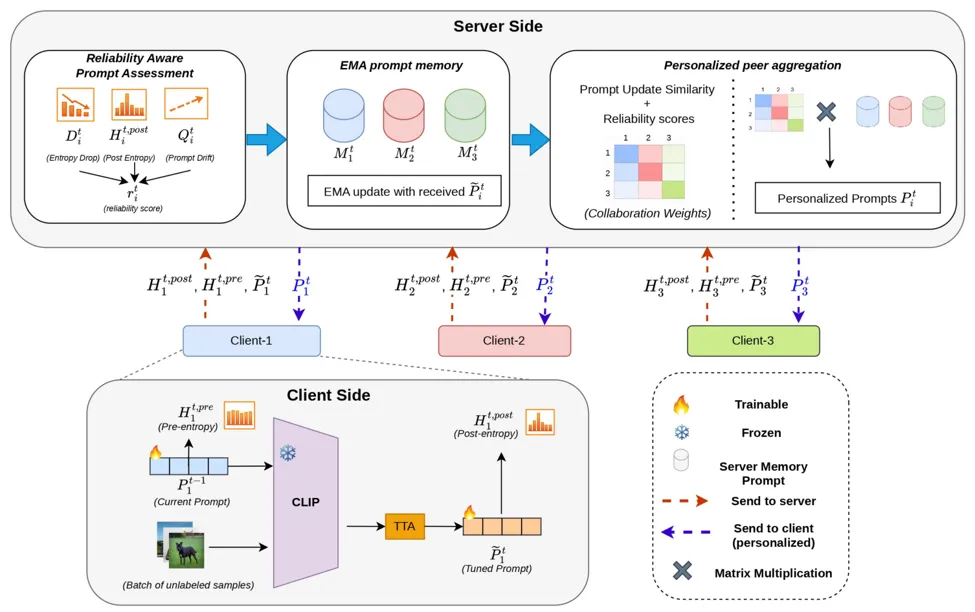
FedRAPP: Federated Test-Time Prompt Tuning for Vision-Language Models with Reliability-Aware Prompt Personalization
AI/ML

FedRAPP: Federated Test-Time Prompt Tuning for Vision-Language Models with Reliability-Aware Prompt Personalization

Source-Free Federated Test-Time Prompt Tuning (SF-FTTPT) studies how vision-language models can collaboratively adapt prompts at test time when clients have private, heterogeneous data with no access…

View project
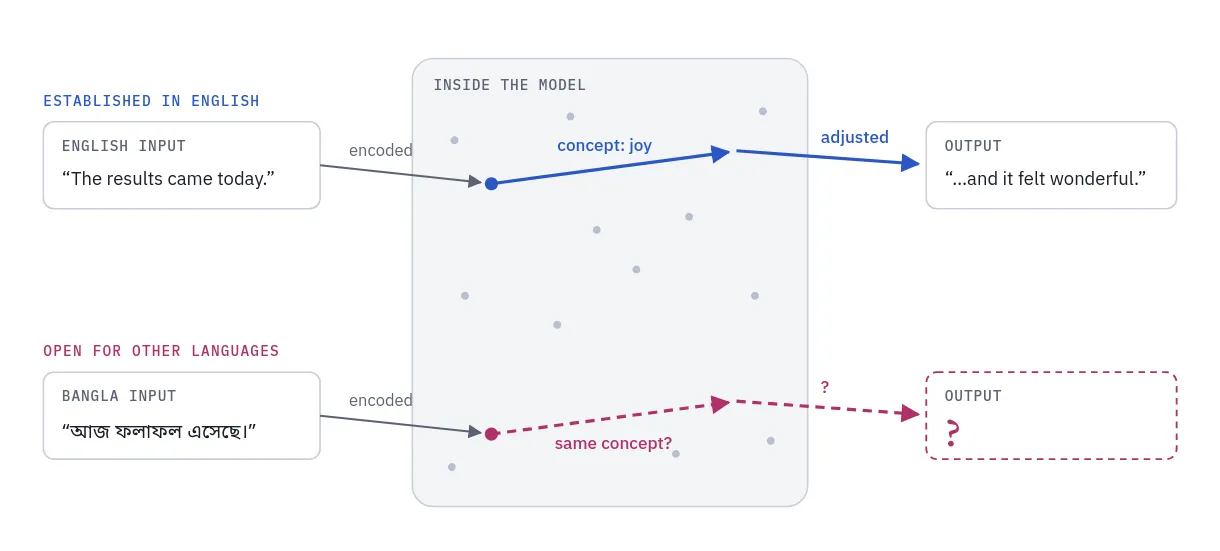
Cross-Lingual Concept Steering and Interpretability in Language Models
AI/ML

Cross-Lingual Concept Steering and Interpretability in Language Models

Large language models serve speakers of hundreds of languages, yet most of what is known about their inner workings comes from English. Recent interpretability research shows that abstract concepts,…

View project
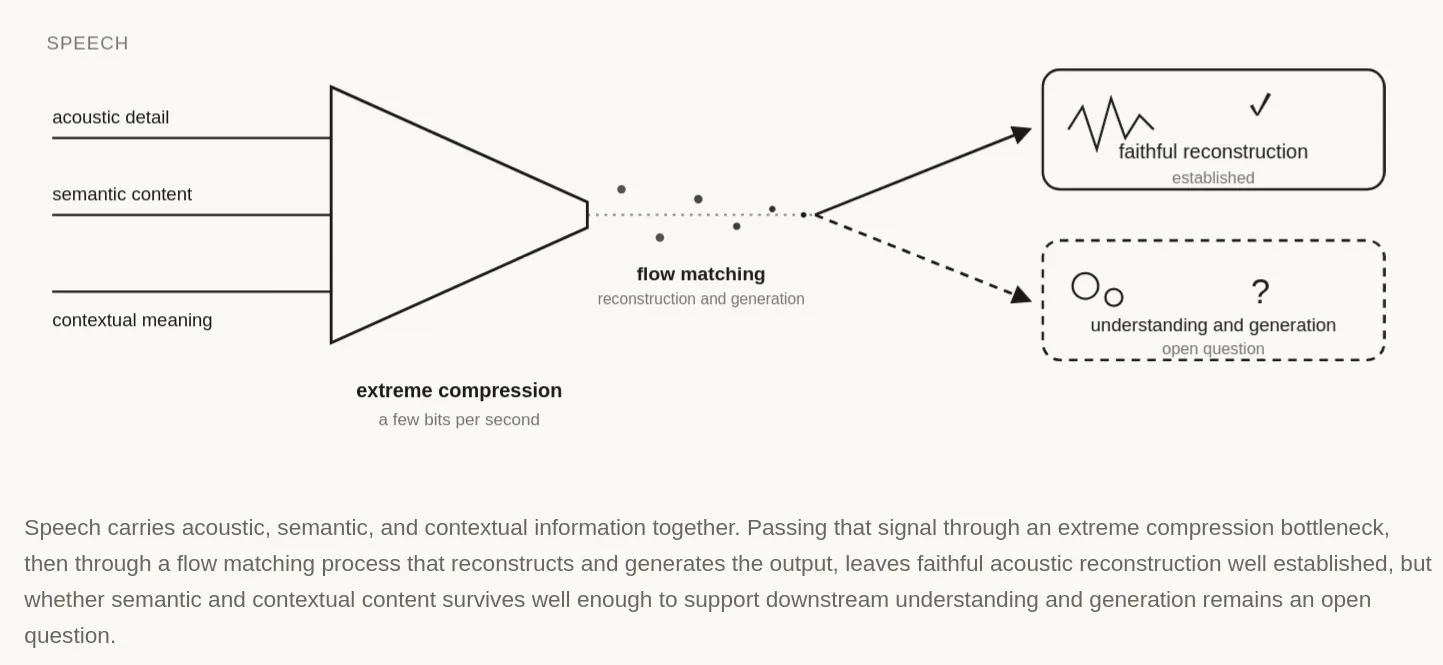
Semantic and Contextual Conditioning for Flow-Matching Speech Tokenization
AI/ML

Semantic and Contextual Conditioning for Flow-Matching Speech Tokenization

Modern spoken language systems convert raw audio into compact discrete representations that downstream models generate from and reason over. The central constraint is compression: as few tokens per…

View project

Blog (3)

Recent publications (5)

Abu Tyeb Azad, Ishita Sur Apan, Fahim Ahmed, Sumaiya Karim Katha, Ezharuddin Jubaer, Armun Alam, Pranjal Kumar Nandi, Amin Ahsan Ali, Aman Chadha, Md Mofijul Islam, AKM Mahbubur Rahman

BaFCo: A Document Understanding Benchmark for Complex Bangla Form Comprehension

Computer Vision – ECCV 2026, pp. 402-420, 2026

Book ChapterDOIURL
  • key information extraction
  • multimodal large language models
  • document layout analysis
  • government forms
  • chain-of-thought prompting
  • low-resource languages
  • zero-shot prompting
  • document understanding
  • Bengali language
  • annotated dataset

Published at