In order to gain an in-depth understanding of the change in Hilsa migration, adaptation and reproduction emanating from climate change an integrated omics (genomics, transcriptomics, proteomics, metabolomics and metagenomics) approach has to be adopted. Use and development of different bioinformatics algorithms, tools, and scripts as well as high-performance computing facilities are required to analyze these omics datasets. Moreover, GIS and Remote sensing technologies are required to identify deep sea habitats and collect samples. Here at AGenCy lab IUB, we made connections with the group, led by Professor Haseena Khan, who were responsible for first sequencing of Hilsa. In this project, we will work in direct collaboration with this group. Professor Haseena Khan and her team will lead the sample collection, quality control and sequence data generation and analysis. We at IUB, in collaboration with Dr. A Baten from AgResearch, NZ and Professor M Shoyaib from IIT, DU will lead the computational analysis of the data extracted. In this project we aim to focus on the first phase of the integrated omics approach
Project · 2025
Understanding The Transcriptomic Responses to Environmental Change in Hilsa
More projects
View all →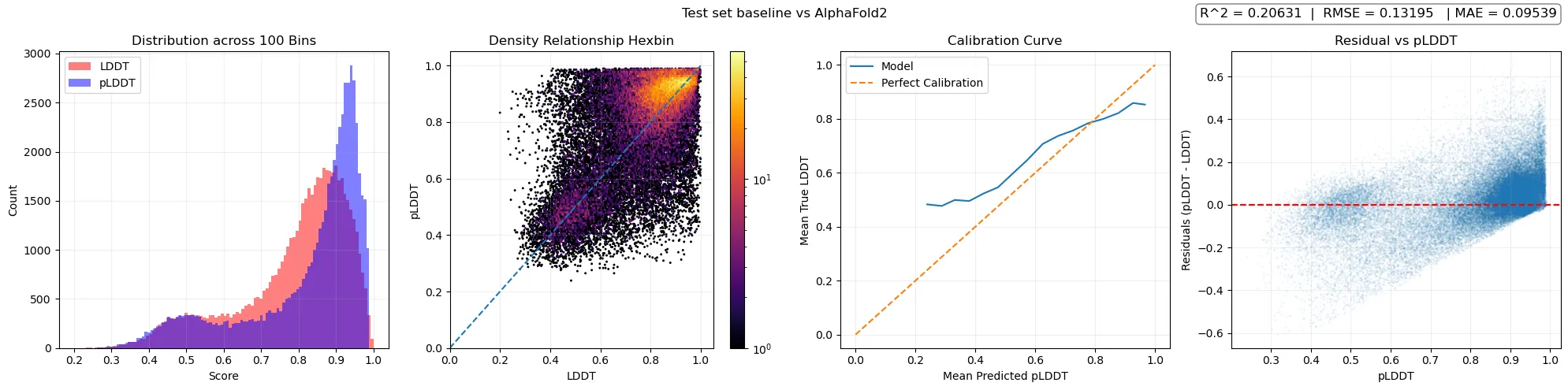
ComBio
Recalibrating AlphaFold2 Confidence Metrics for Dynamic Peptide Ensembles Using NMR Experimental Data
AlphaFold2 (AF2) has transformed protein structure prediction by producing highly accurate three-dimensional structures alongside residue-level confidence estimates (pLDDT). However, pLDDT reflects…
View project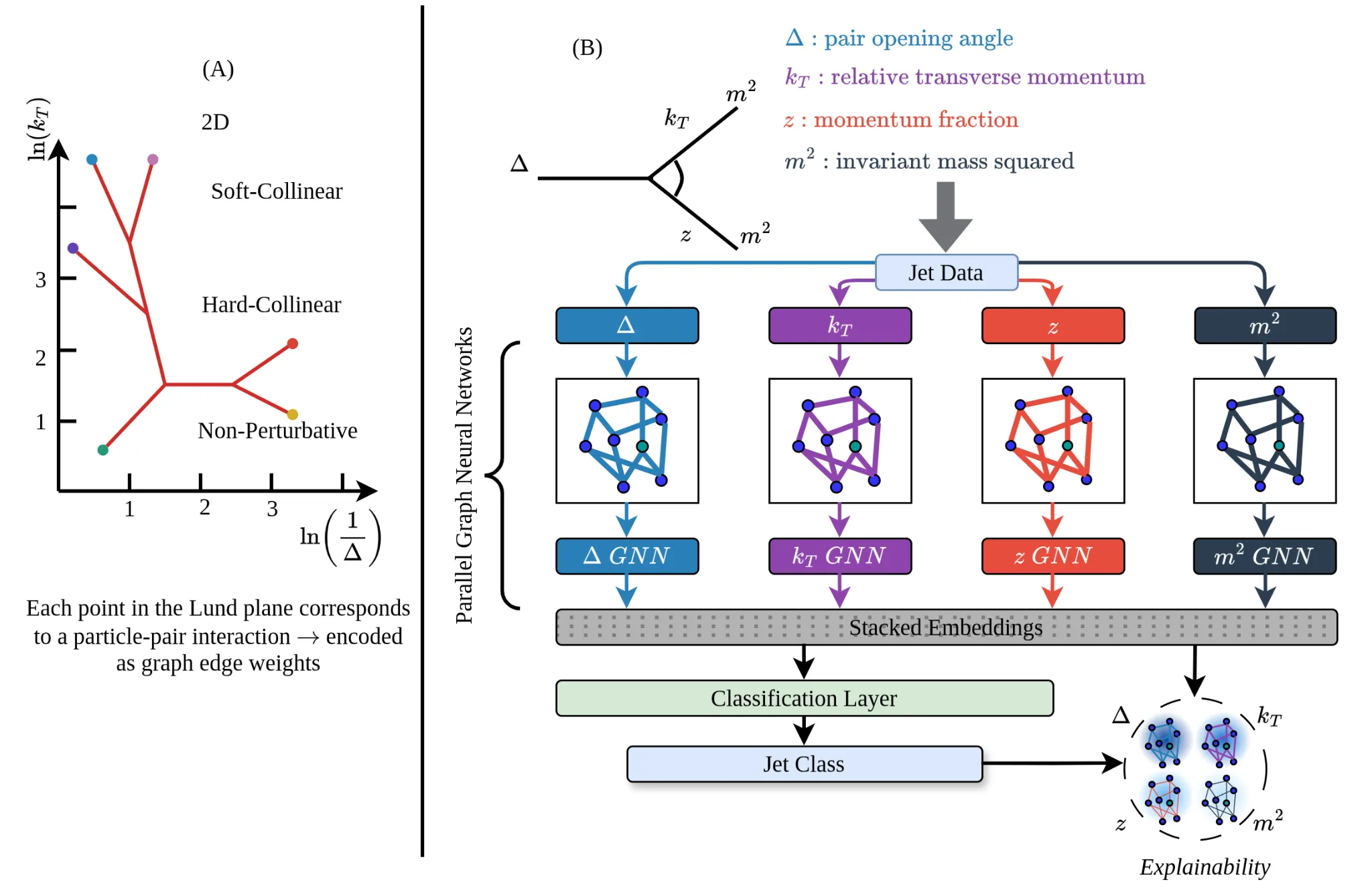
ComPAs
KIGNet: Physics-Motivated Multi-Graph Representation Learning for Explainable Jet Tagging
Jet tagging, the task of identifying the initiating particle of a jet produced in high-energy collisions, is essential for precision measurements and new-physics searches at the Large Hadron…
View project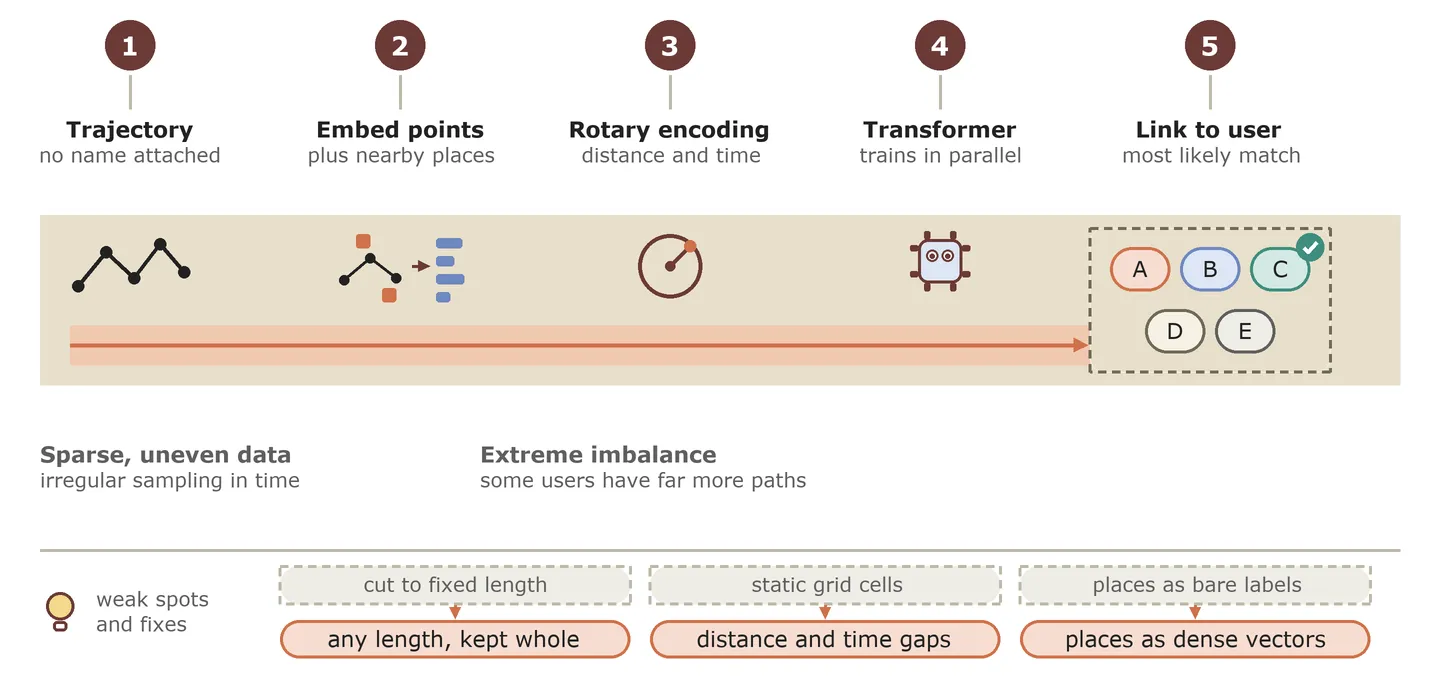
AI/ML
TRoPE-TUL: Trajectory-User Linking via Spatio-Temporal Rotary Position Embedding
Trajectory-user linking identifies the likely user behind an anonymous mobility trace, but existing methods often lose fine-grained spatial, temporal, and semantic information or scale poorly.…
View project