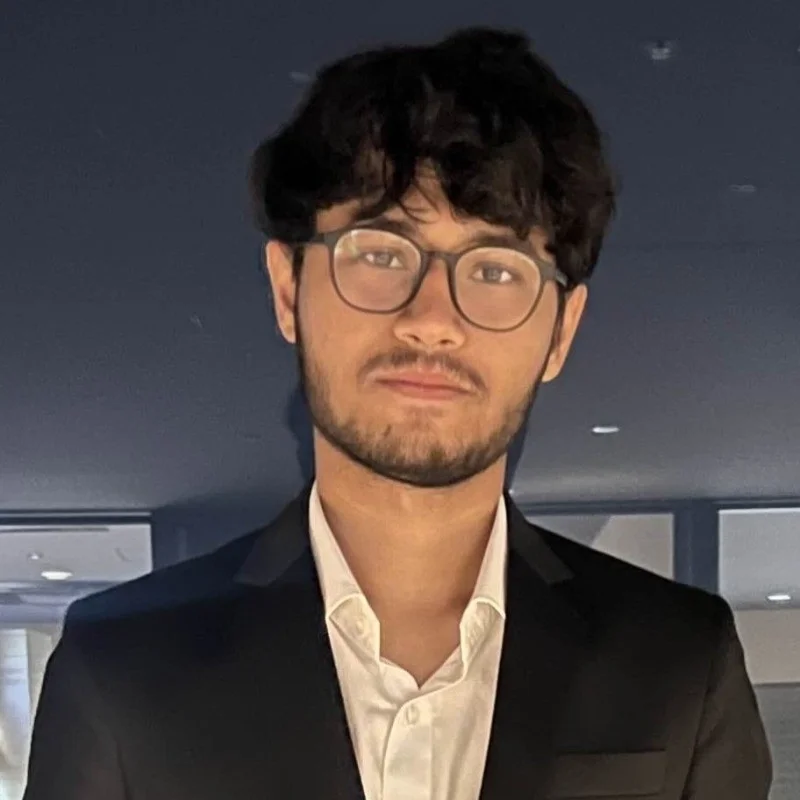
Siam Tahsin Bhuiyan
- Intern, CCDS
Bachelors
Independent University, Bangladesh
Published at
Scientific Reports
Mohammed Tashfiq Islam, Mustaqueem Alam, JM Sadik-Ul Islam Smaron, Jahanggir Hossain Setu, Siam Tahsin Bhuiyan, Rashedur Rahman, Asif Mahmud, Saadia Binte Alam, Ashraful Islam
2025 IEEE 23rd Student Conference on Research and Development (SCOReD)
IEEE, pp. 1-6

Automated and accurate classification of common dental conditions from ordinary Red-Green-Blue (RGB) images can enable low-cost, scalable screening and teledentistry in resource-limited settings. This study evaluates and compares five distinct Convolutional Neural Network (CNN) architectures, including Residual Network (ResNet)-50, ResNet-101, Dense Convolutional Network (DenseNet)-121, MobileNetV2, and Neural Architecture Search Network (NASNet)-Mobile, for the multiclass classification of reflective dental images. A Kaggle-sourced dataset of 5,048 images, labeled in five categories (Dental Calculus, Dental Caries, Hypodontia, Mouth Ulcer, and Tooth Discoloration), was processed using a preprocessing pipeline that included Contrast Limited Adaptive Histogram Equalization (CLAHE) for contrast enhancement and class-aware augmentation. Performance was assessed with accuracy, precision, recall, and F1-score to address class imbalance. ResNet-101 delivered the best overall performance after proper fine-tuning (accuracy ≈ 97%; macro F1-Score ≈ 94%), followed closely by the other models. Additionally, dental caries and small / low-contrast lesions were identified as common failure modes by means of qualitative analysis through visual inspection and saliency maps. Overall, the results suggest that using deep architectures to capture dental features from reflective images is feasible, indicating a pathway for low-cost screening and teledentistry. Future work will increase the heterogeneity of the dataset, increase sensitivity to low-contrast lesions, and study model compression to enable local deployment on the device.
Bachelors
Independent University, Bangladesh
Published at
Scientific Reports
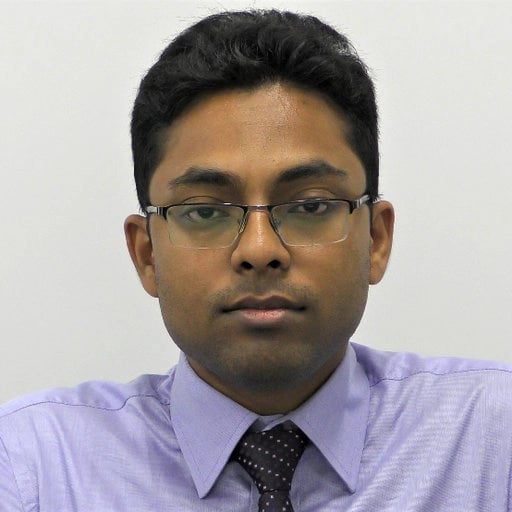
Assistant Professor
Department of Computer Science and Engineering
Independent University, Bangladesh
Published at
CHI, HCII, Scientific Reports, Cognitive Computation, Neural Computing and Applications
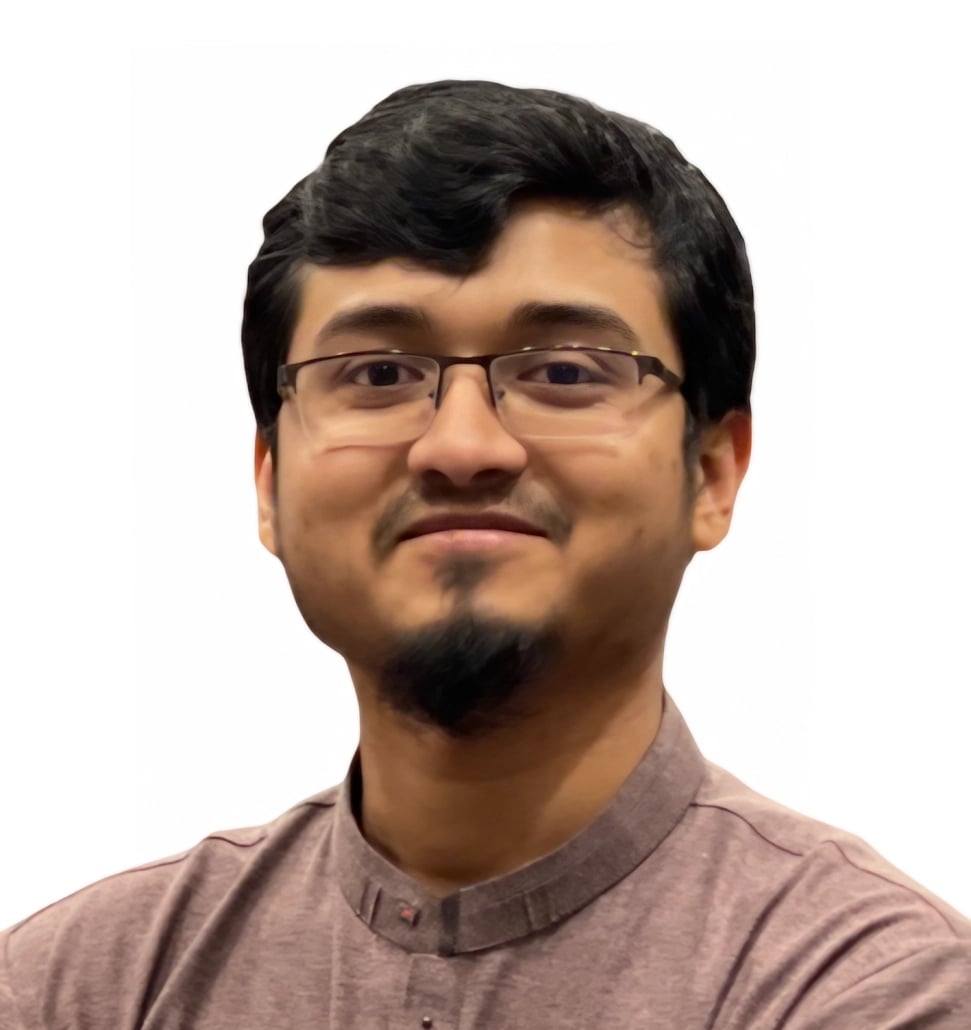
Lecturer
Department of Computer Science and Engineering
Independent University, Bangladesh
Associate Professor
Department of Computer Science and Engineering
Independent University, Bangladesh
Published at
HCII, Scientific Reports, Cognitive Computation, Neural Computing and Applications
Assistant Professor
Department of Computer Science and Engineering
Independent University, Bangladesh (IUB)Published at
CHI, UIST, UbiComp, IJCNN, ICIP, HCII, ICDMW, BLP, IEEE Internet of Things Journal, JMIR, JMIR Human Factors, JMIR Formative Research, IEEE Access, Smart Agricultural Technology, Diabetes Research and Clinical Practice, PLOS ONE
Research Interests
Human-Computer Interaction, AI for Social Good, AI for Public Health, AI for Impact