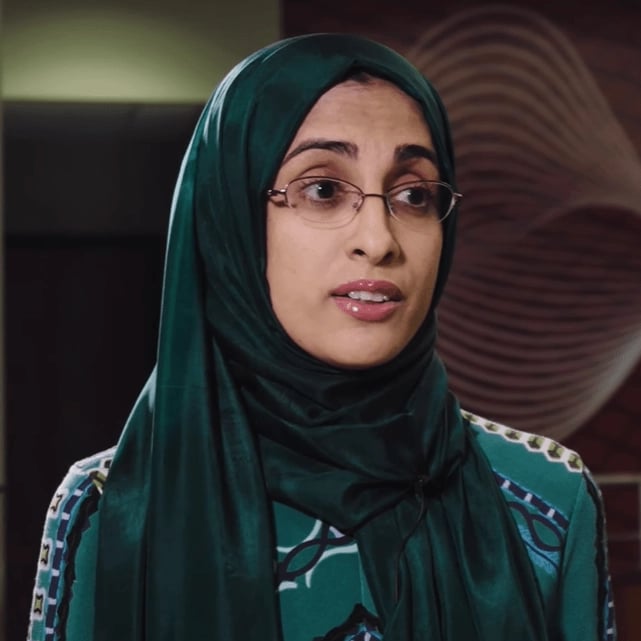

Ashraful Islam, PhD
- Center Director, CCDS
- Director, HCI Wing
Assistant Professor
Department of Computer Science and Engineering
Independent University, Bangladesh (IUB)Published at
CHI, UIST, UbiComp, IJCNN, ICIP, HCII, ICDMW, BLP, IEEE Internet of Things Journal, JMIR, JMIR Human Factors, JMIR Formative Research, IEEE Access, Smart Agricultural Technology, Diabetes Research and Clinical Practice, PLOS ONE
Research Interests
Human-Computer Interaction, AI for Social Good, AI for Public Health, AI for Impact