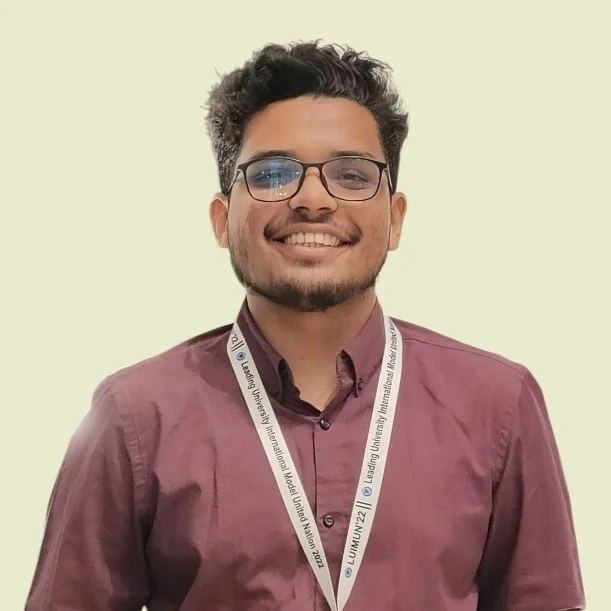
Shakib Absar
- Intern, CCDS
Bachelors
Leading University, Sylhet
Shakib Absar, Iftekhar Ahmed, Shadman Sakib, Nabajyoti Sharma, Siam Tahsin Bhuiyan, Saadia Binte Alam, Ashraful Islam, Rashedur Rahman
2025 IEEE International Conference on Biomedical Engineering, Computer and Information Technology for Health (BECITHCON)
IEEE, pp. 17-22

Segmentation of dental structures in panoramic radiographs is challenging due to anatomical variability, low contrast, and artifacts. We evaluate whether U-Net-based models, paired with a unified multi-strategy optimization pipeline, can deliver accurate and robust performance for this task. Using a curated dataset of 361 annotated orthopantomograms (OPGs), we benchmark five architectures: Vanilla U-Net, Attention U-Net, UNet++, SegNet, and TransUNet, and apply a single pipeline that combines CLAHE, edge enhancement, denoising, stochastic augmentation, and boundary-aware loss optimization to emphasize crisp boundaries and stable predictions. In our comparative evaluation, U-Net variants consistently lead. Vanilla U-Net achieves 91.38% Dice and 84.13% IoU, while UNet++ achieves 91.06% Dice and 83.59% IoU; thus, Vanilla U-Net is ahead by 0.32% in Dice and 0.54% in IoU, and both outperform the non-U-Net baselines. Step-wise ablation quantifies the marginal contribution of each strategy (∆Dice/∆IoU) and shows that the entire pipeline sharpens the boundaries and stabilizes performance in variations in image quality, patient age, and tooth count. Taken together, our comparisons and ablations establish U-Net variants augmented by our pipeline as a strong, reproducible baseline for panoramic dental segmentation and a reliable foundation for future model development.
Bachelors
Leading University, Sylhet
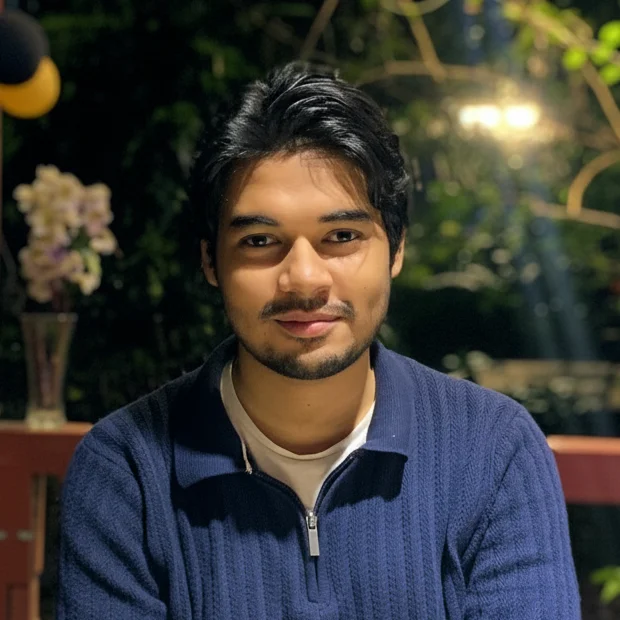
Bachelors
Leading University, Sylhet
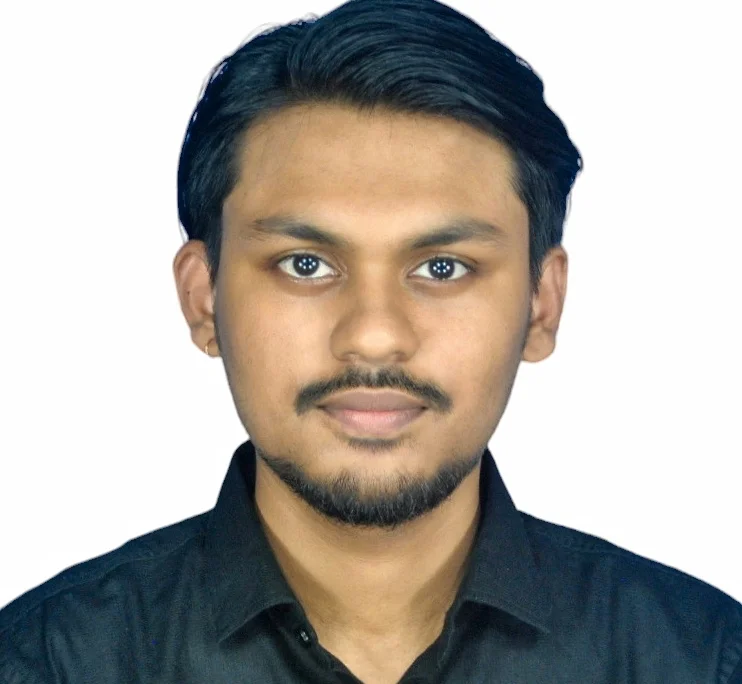
Bachelors
Leading University, Sylhet
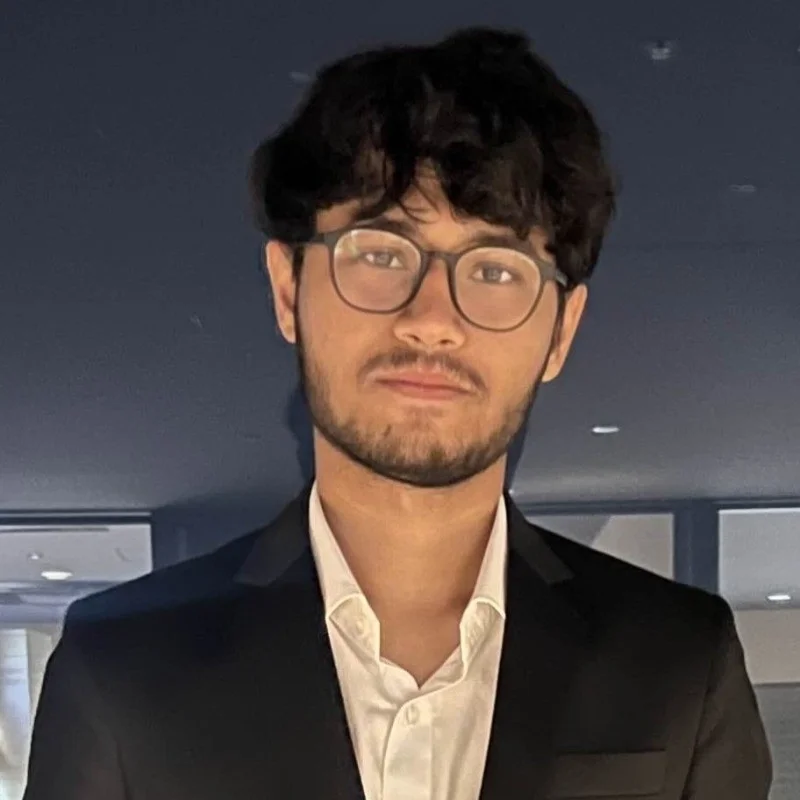
Bachelors
Independent University, Bangladesh
Published at
Scientific Reports
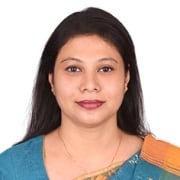
Associate Professor
Department of Computer Science and Engineering
Independent University, Bangladesh
Published at
HCII, Scientific Reports, Cognitive Computation, Neural Computing and Applications
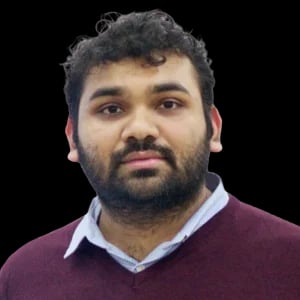
Assistant Professor
Department of Computer Science and Engineering
Independent University, Bangladesh (IUB)Published at
CHI, UIST, UbiComp, IJCNN, ICIP, HCII, ICDMW, BLP, IEEE Internet of Things Journal, JMIR, JMIR Human Factors, JMIR Formative Research, IEEE Access, Smart Agricultural Technology, Diabetes Research and Clinical Practice, PLOS ONE
Research Interests
Human-Computer Interaction, AI for Social Good, AI for Public Health, AI for Impact
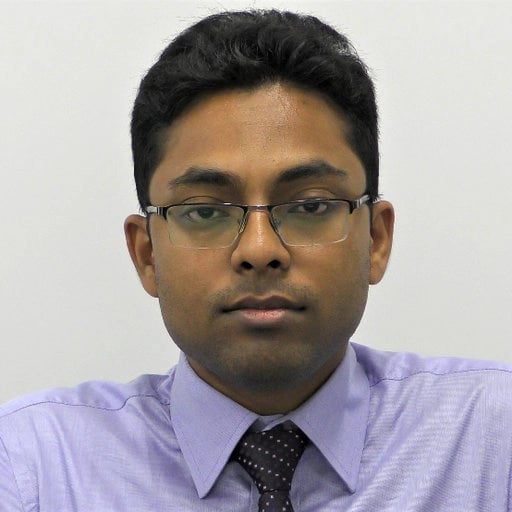
Assistant Professor
Department of Computer Science and Engineering
Independent University, Bangladesh
Published at
CHI, HCII, Scientific Reports, Cognitive Computation, Neural Computing and Applications