The emergence of advanced large language models (LLMs), such as GPT-4 and LLaMa, marks a significant shift in information retrieval and Question Answering (QA) systems. Unlike traditional keyword-focused searches, these models can generate texts that are more intuitive and human-like. Trained on huge amounts of data, these models apparently “understand” the subtleties of language, context, and user intent. However, LLMs have a few significant limitations – the models may “hallucinate”and they have limited domain knowledge, common sense etc.. Knowledge Graphs (KGs) can help overcome some of these challenges by providing a structured representation of domain knowledge. A KG is a database that stores information in the form of a graph, with nodes representing entities and edges representing relationships between them. KGs can enhance the reasoning ability of LLMs for QA systems by providing context, domain knowledge related to the questions. In this research, we focus on extracting the domain-specific knowledge sub-graph and enhancing its representation using graph neural networks for solving QA tasks with LLMs.
Project · 2025
Knowledge Graph and LLMs based QA System
More projects
View all →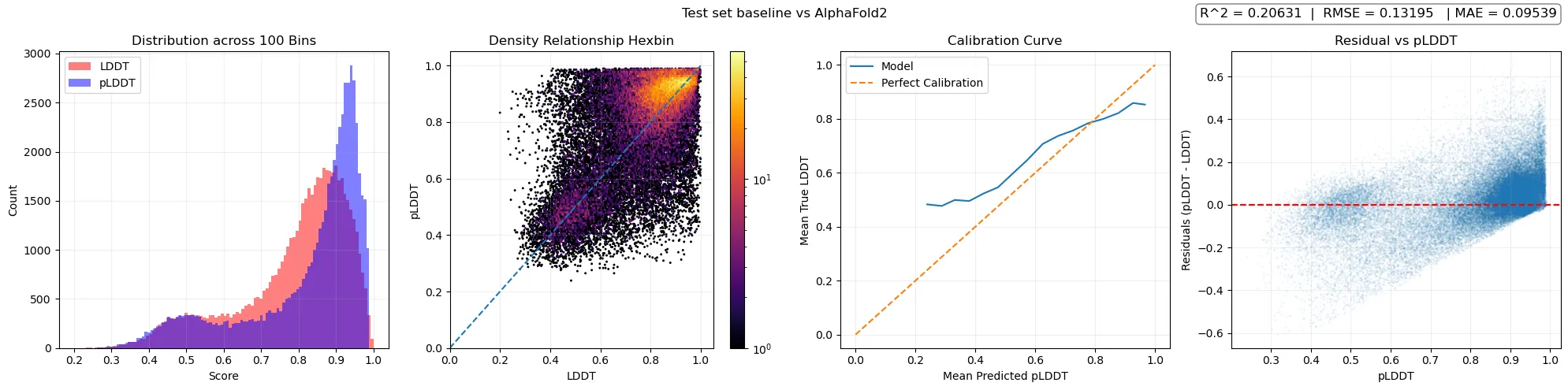
ComBio
Recalibrating AlphaFold2 Confidence Metrics for Dynamic Peptide Ensembles Using NMR Experimental Data
AlphaFold2 (AF2) has transformed protein structure prediction by producing highly accurate three-dimensional structures alongside residue-level confidence estimates (pLDDT). However, pLDDT reflects…
View project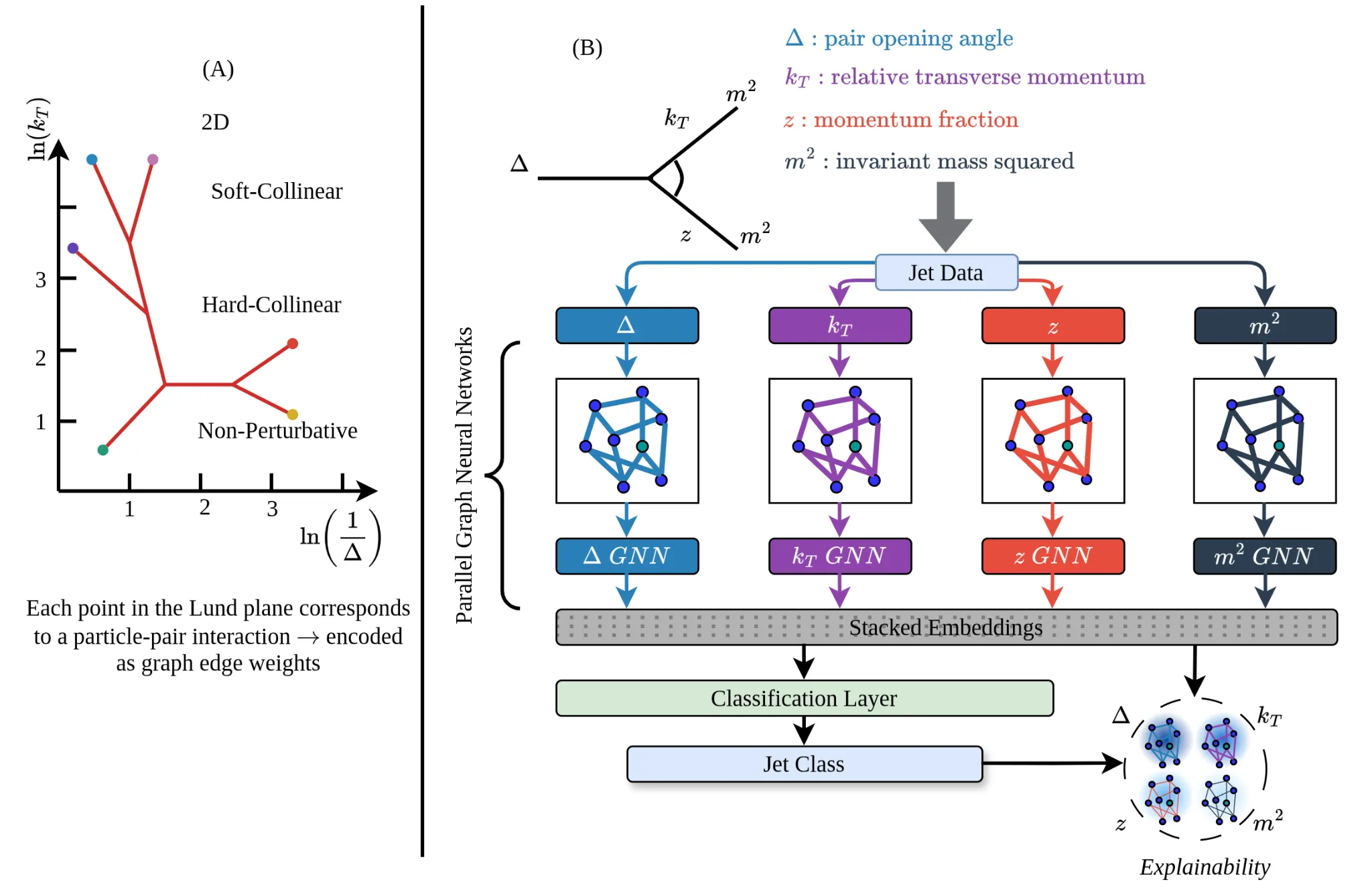
ComPAs
KIGNet: Physics-Motivated Multi-Graph Representation Learning for Explainable Jet Tagging
Jet tagging, the task of identifying the initiating particle of a jet produced in high-energy collisions, is essential for precision measurements and new-physics searches at the Large Hadron…
View project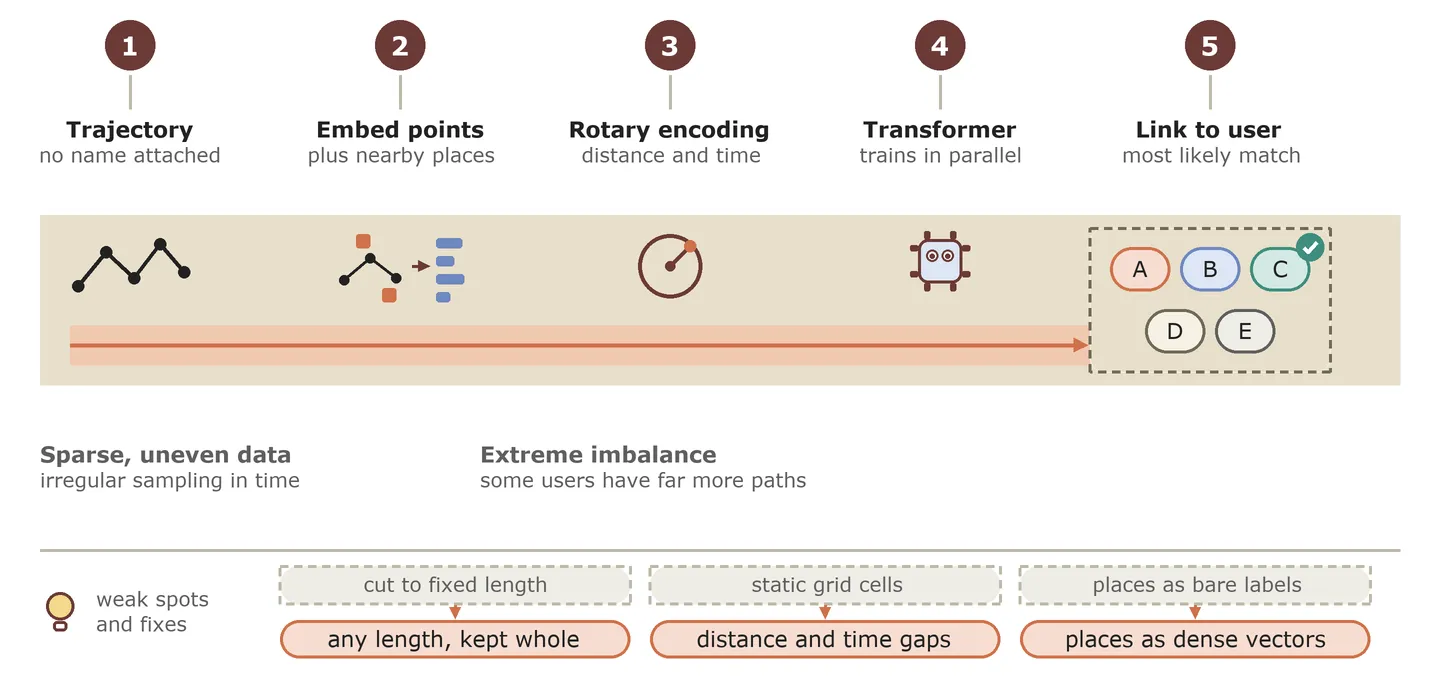
AI/ML
TRoPE-TUL: Trajectory-User Linking via Spatio-Temporal Rotary Position Embedding
Trajectory-user linking identifies the likely user behind an anonymous mobility trace, but existing methods often lose fine-grained spatial, temporal, and semantic information or scale poorly.…
View project