This project aims in analyzing publicly available sequencing data to reveal patterns and connection to understand stress tolerance mechanism in rice, a major staple food crop. Due to climate change number of cultivable agricultural lands are reducing, hence stress tolerant plants are necessary to feed the population. Along with computational data gene expression and phenotyping data are integrated to explore the biological relevance of sequence data. From the learned mechanism candidate genes are selected for further functional genomics analysis to develop climate smart plants. The project collaborates with Prof Zeba Islam Seraj’s group at University of Dhaka for information and resource exchanges.
Project · 2025
Analyzing rice genomic variation along with expression and phenotype data to reveal stress tolerance mechanism focusing development of climate smart rice
More projects
View all →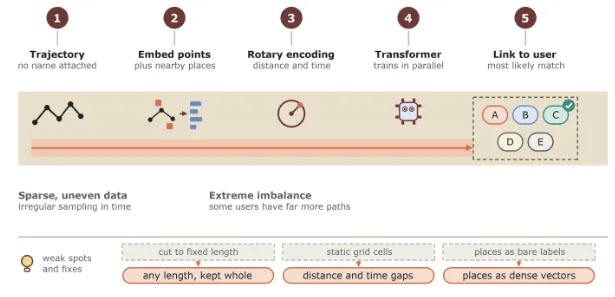
TRoPE-TUL: Trajectory-User Linking via Spatio-Temporal Rotary Position Embedding
Trajectory-user linking identifies the likely user behind an anonymous mobility trace, but existing methods often lose fine-grained spatial, temporal, and semantic information or scale poorly.…
View project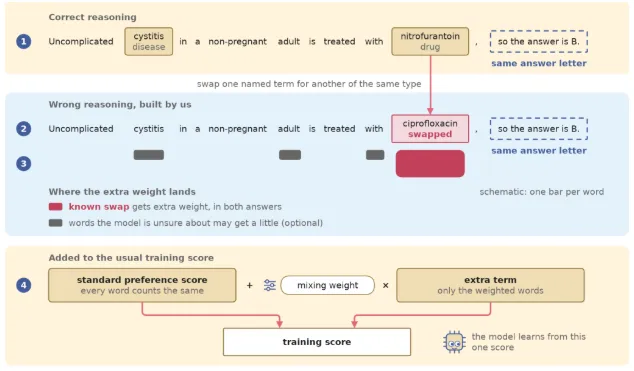
Where the Preference Signal Lives: Constructed Negatives, Token Weighting, and Why Confidence Misses the Decisive Tokens
This project studies how to make the reasoning produced by medical LLMs more factually reliable, not just their final answers. We construct controlled incorrect rationales with known clinically…
View project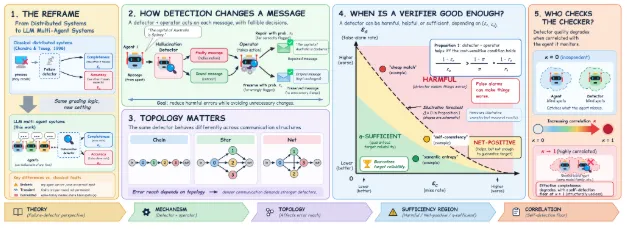
How Good Must a Detector Be? Graded Semantic-Error Detection in Multi-Agent LLM Systems
This project studies when error detection and intervention can reliably improve multi-agent LLM systems, where mistakes from one agent may propagate through later interactions and affect the team’s…
View project